

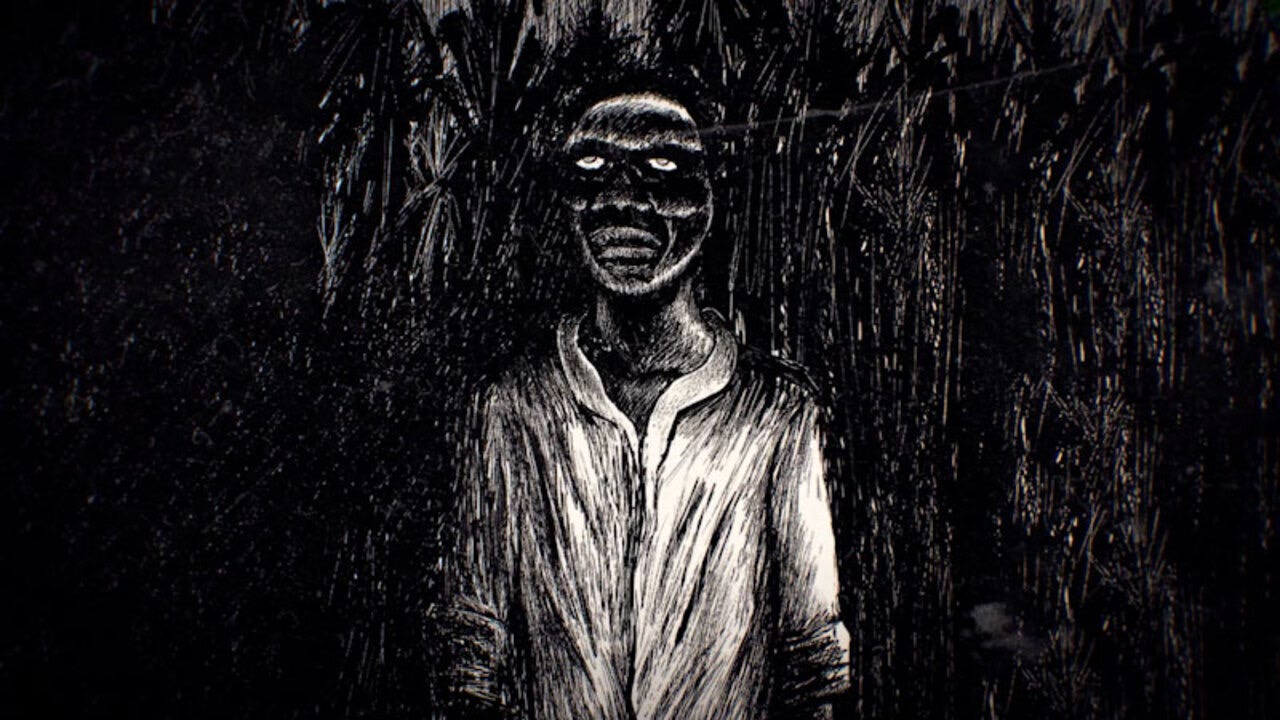
Myself, much alike many others, am naturally toward that which is aesthetic.
Pleasing to the eyes, easy to digest and rather consumable: It’s one of those things I feel is in our nature, the allure toward the beautiful, mysterious and obscene is a common experience. Do you remember your first really good movie? Maybe it was the graphics and tactile feeling you got from playing a kickass videogame, like loading into Skyrim for the first time or seeing the haunting title screens of the Halo franchise at 3am long past your bedtime while waiting for a party invite in your dark bedroom, complete with the panning imagery of a ruined world and the orchestral scores of Marty O’Donnell which hauntingly hinted at the wars to come.
But the aesthetic is dangerous. Any brief study of history will tell you so. Thinkers of the twentieth century grew so weary of them and their representations seeing how they could be twisted and manipulated by men to drive the once rapidly industrializing nations of Eurasia and Africa into a heap of cataclysmic conflict, that they began to reject the visual hierarchy entirely. Letting the heralds of multimedia and painting serve as iconoclasts to the sacred lineage of the cave painting to the fresco. Because the most dangerous part about aesthetics is that when prompted not to think about it, people will lose sight of what they like about them in the first place. The aesthetic becomes ahistorical, and pedagogically taught as intrinsic.
It took me quite a lot of interrogation, and self admittedly I am still a victim to it, but as the so called art makers in the twenty first century, we must come to question what I will call the formless aesthetic. Words are important. Yet it is too common that we will rely on these ahistoric adjectives to describe something: real, deep, fire, corny, exciting, interesting, funny, attractive. I’m not saying these terms are “made up”, but they’re often used out of their original context or without any diligence for what feeling they’re used to describe. Without a stir a stir of introspection, any chance at confusion, frustration, boredom, misunderstanding or oppositely: feeling extremely heard and seen is effectively dismissed for the possibility of being intended or desired by the author and considered to be an unfavorable byproduct in a framework which reinforces the ideas of art and creativity as a means to an end, a side-hustle like task you might make time for between a busy schedule or sell to get your nut as opposed to a unique stimulus with the potential for triggering a life-changing interaction. This is because good artwork should strive to do more than entertain. The inner contemplations and research of another individual akin to that of any other long-form academic is one that you’re given so that you may enrich yourself in the ideas set forth by it. Not skim through willingly to cherry pick what already reaffirms your preexisting worldview. With visual media acting as our textbook or research paper, we must act in good faith as academics, knowing research participants being welcomed into a field of study as peers and confidants, not confederates.
What made me think about this idea initially was hearing about Zombie Formalism. What a catching name. A subgenre, so scathingly removed and scraped away from any semblance of identity and pride that it stands on its own as a husk before you instead of a full body. A name which entails more than a lack thereof, but a complete decomposition within of integral elements which once functioned internally on a sapient structure make something seem appealing; instead propped up by a parasitic and monstrous desire to allure and consume.
If there’s anything to learn from Zombie Formalism, it’s that it’s important not to let the aesthetic be the end all. Allow it to be a jumping off point, so when you draw from different resources and challenge intrinsic biases you’ll still having something relatable, familiar, and safe to come back to.
But what other genres, people, mediums, have been so removed from their original contexts and carelessly discarded into the hands of the Zombie so that it may be imbibed and reformed, regorged as a shambling husk free from any sense-of-self or autonomy? And why is this? The Zombie cannot access not the inner workings of his mind nor can he dream of them. He may remember something, the semblance of once familiar places or a face: A recognition which brings him clarity. But where there was once the cognition of his frontal lobe and prefrontal cortex, now stands nothing but the hindbrain.
We must escape this. We are meant to want better.
With nothing but a brainstem, cerebellum and amygdala: The Cyber-Zombi may eat, sleep and shit his craft, but he does not live it. He cannot imagine more for it than what is infront of him, and his actions could not be justified as his own. He acts purely on the aesthetic: instinctively. Doing what pleases what’s left of his brain by mindlessly consuming the media infront of him, and relying on the strength of his horde to convert and destroy what remains of any thoughtful civilization.
We must escape this
We are meant to be better.
“It’s not the world we live in, It’s the world we wished we live in” - Thomas Kinkade
Realism, for one, was one such genre tainted by the bite of the Art Zombie. A genre which started as a self-insistent radical reflection of the new state of society in the post industrial period. Reflecting on what semblances we had left of community from our roots in agrarian normalcy by depicting the new real and critiquing what had been replaced by a demand for capital, The Zombie Realist does none of these things. Realism as a genre has become something understood as most abhorred by the artist and strictly praised by the illiterate. No more is the goal of this work introspective commentary with a tone of ironic reference, or capturing the unique slice of life moments in society that attempt to find compassion within dynamism and social hierarchy. It has instead become infested. There is no more greater conversation to be had; the work is now appraised by its ability to accurately, objectively and effectively capture the aesthetic— a daydream idealizing an ahistorical and imagined reality.
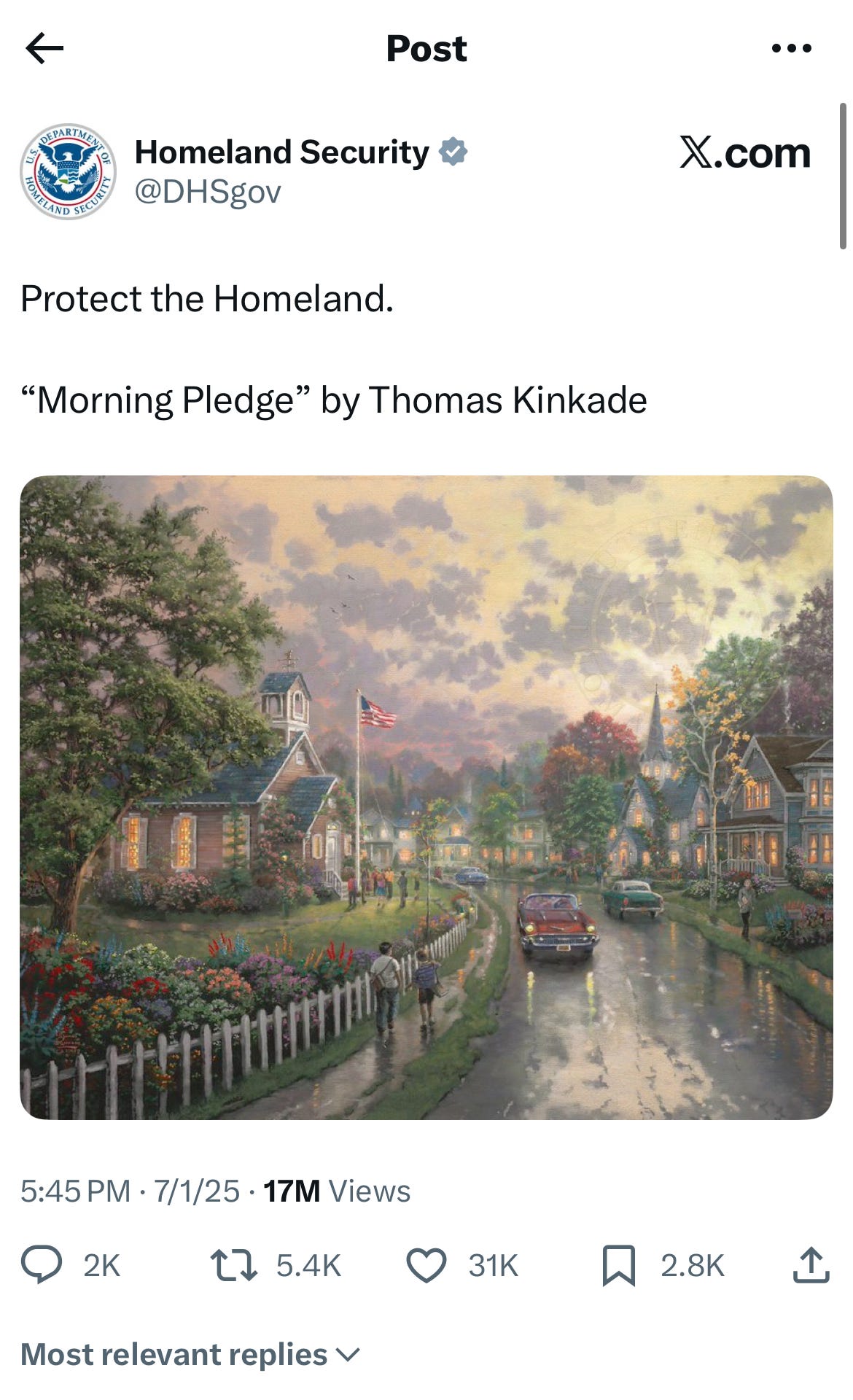
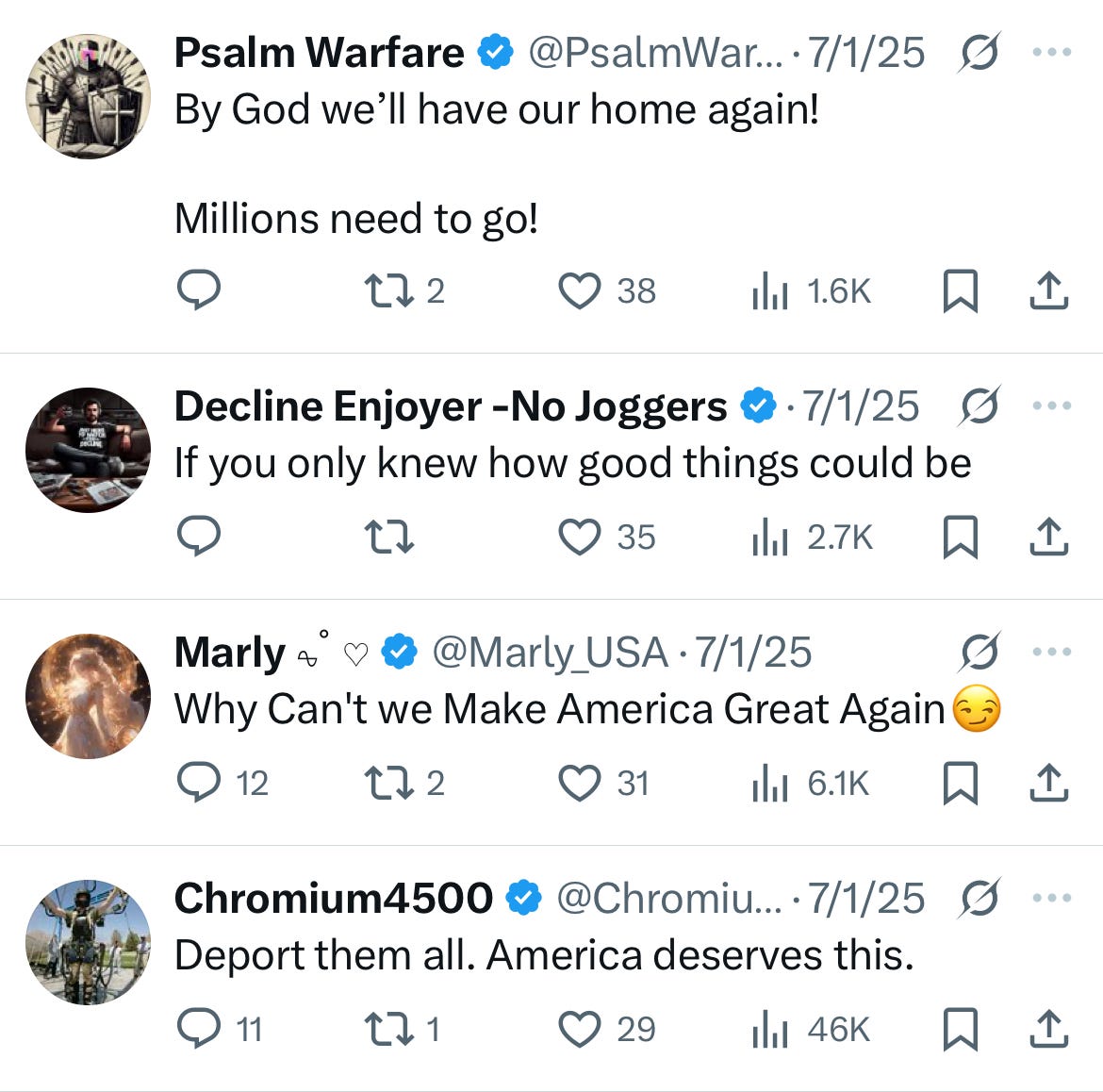
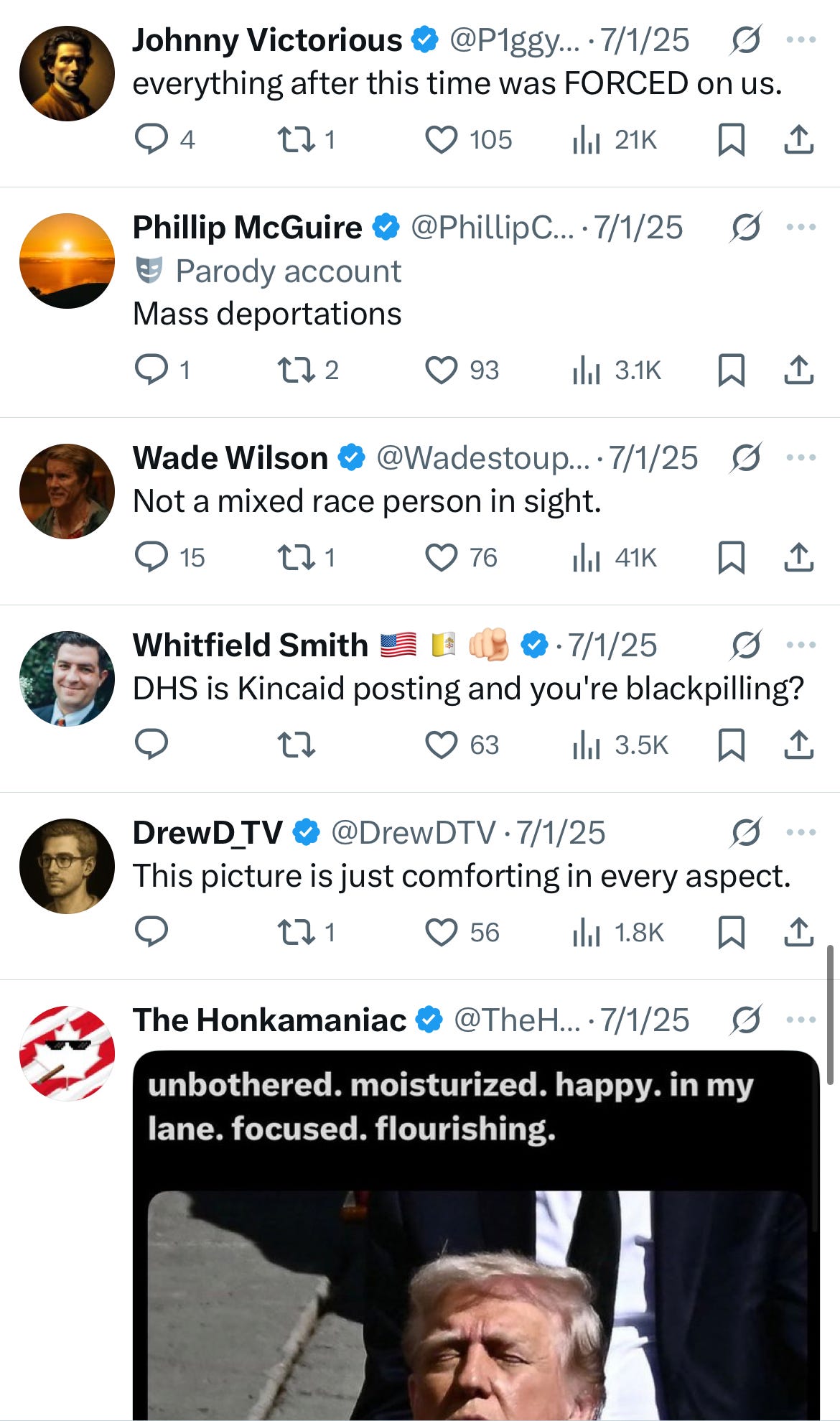
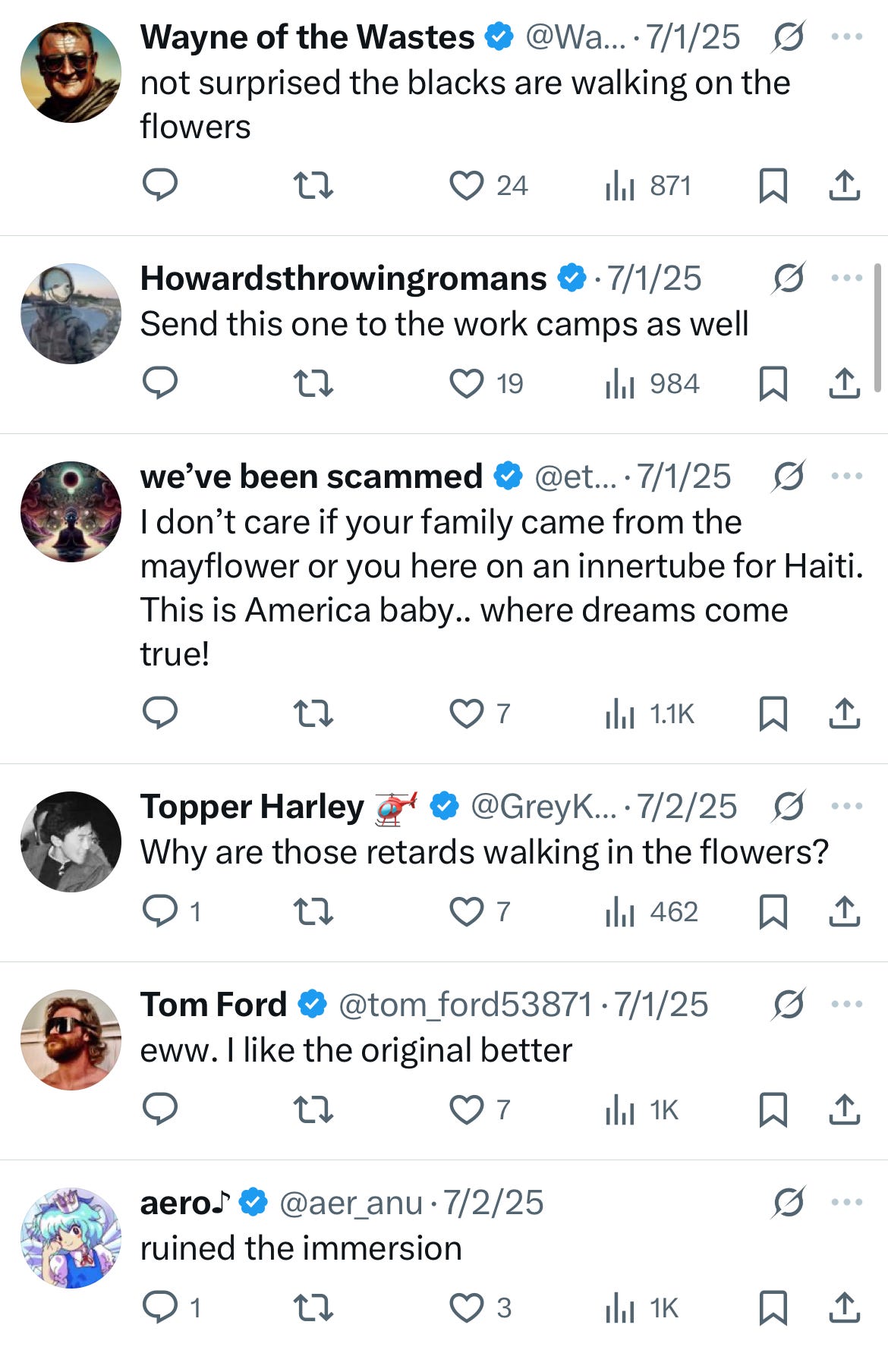
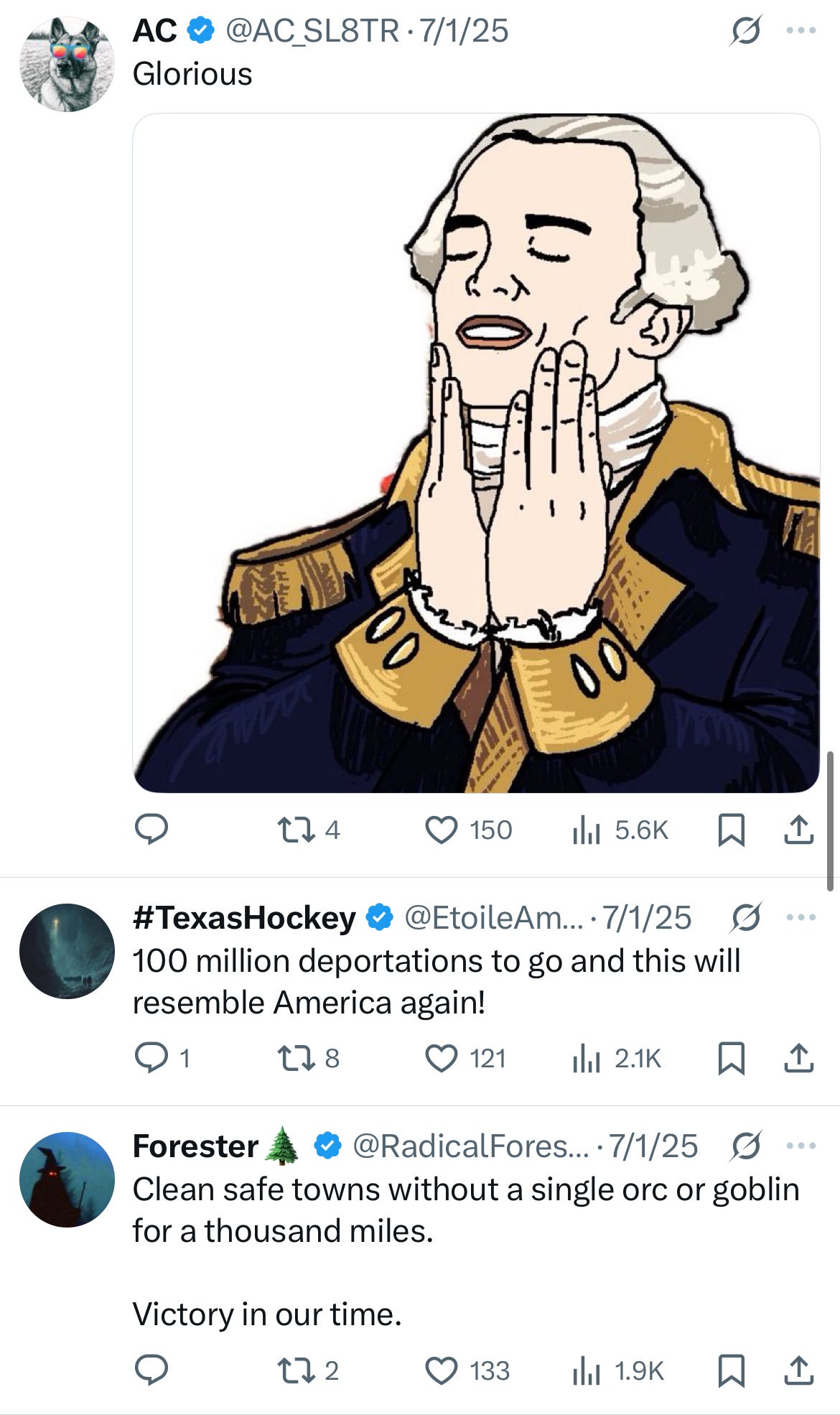
“(The artist) absolutely knew that the United States was a beacon of hope for the world, promising fundamental justice and dignity for all those living here and help for those not allowed their basic human rights no matter where they might be.” - the Work Bio, on his Website
Compare this chosen depiction of America at its finest with one from George Bellows, a 20th-Century Artist closely associated with the Hudson River School of Painting in New York City and his depiction of the new American city decades prior.
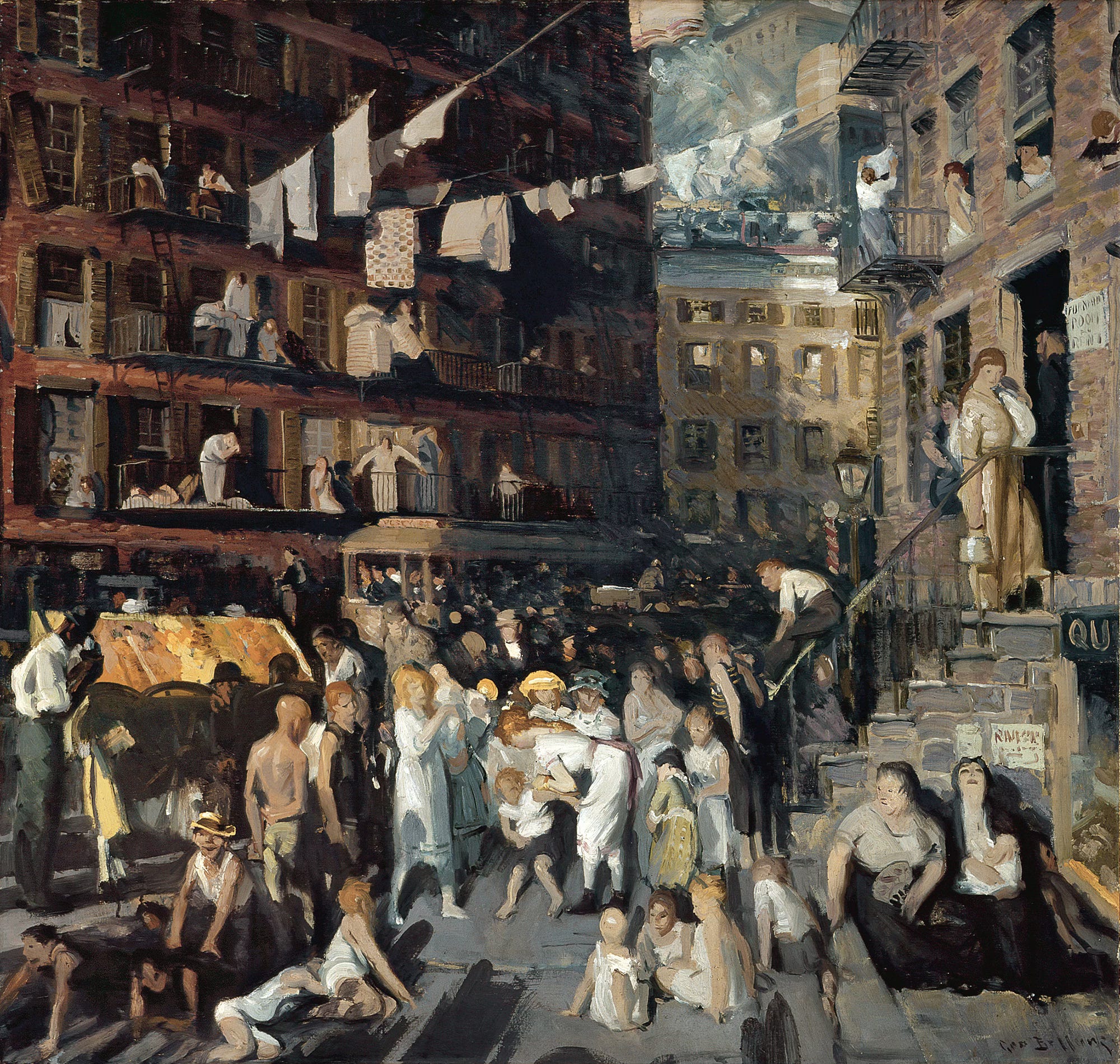
Turbulent, kinda dirty, crowded, compassionate, painterly and hot: City Dwellers still depicts a more than familiar city-scene that we could consider beautiful, without the faux glamorizations of Zombie Realism.
The difference between these two works is context.
One no longer comments from the annals of reality, despite its name. It’s an ahistorical idealization which allows it to be chewed up and put out as propaganda in the form of fine art.
We must escape this.
We are meant to do better than this.
Street art is another.


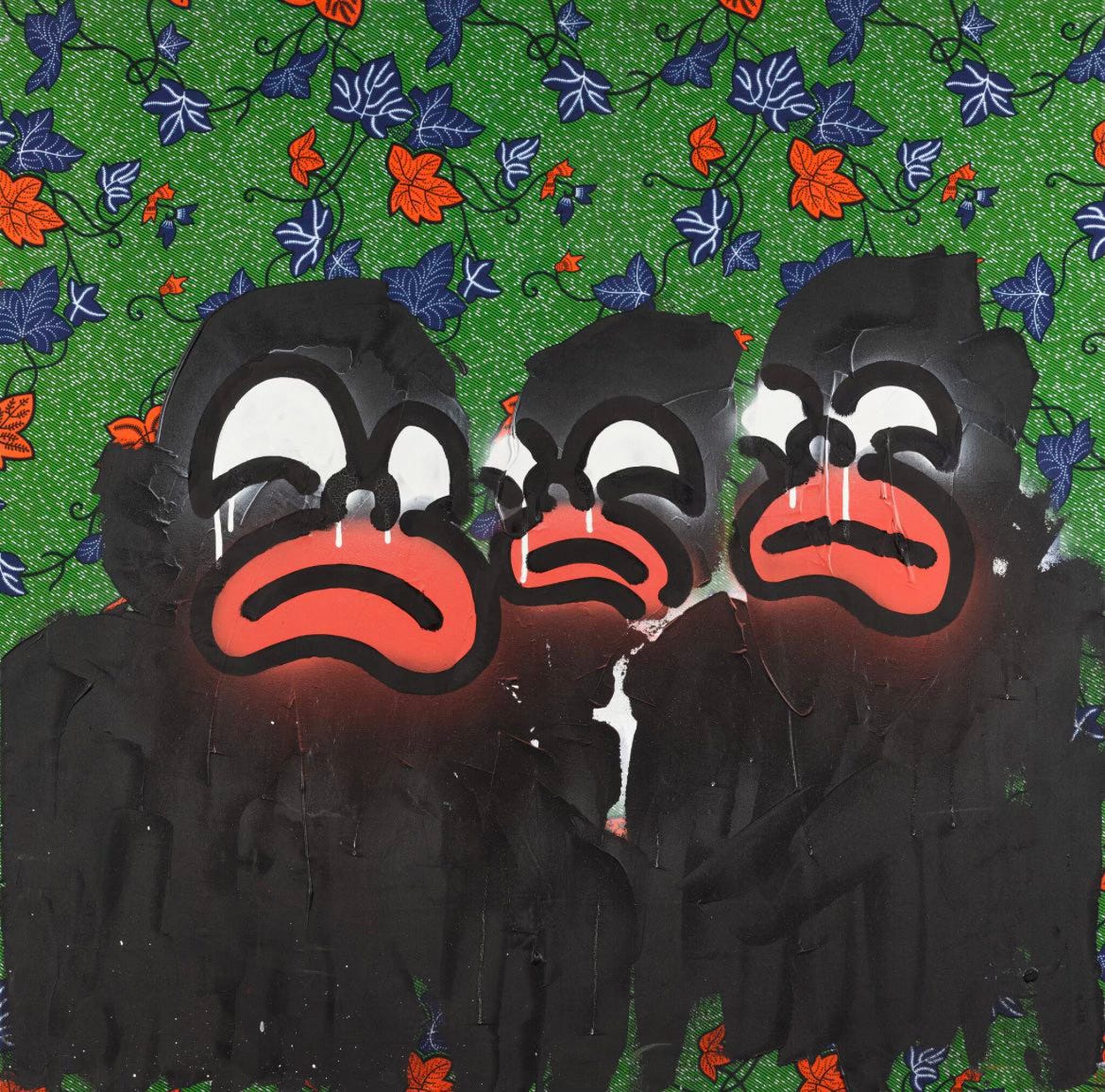
See the difference?
The Art Zombie is not controlled by one mere virus, nor one outlet: but an intelligent sorcerer. Cannibalizing his friends and kinships in the chute while a self interested-party of scientists and tribesmen benefit from the doomsday delusions and mass-hysteria brought upon by his condition. There is no cure man can make for him, it is something he must do for himself.
This is a powerful spell. And this is why the photographer, who first saw the camera, knew within his hands the power he held. And decided that for anyone to witness, control and contribute to this medium, they must become a deceiver. But deceive us no more, when our people crave an enlightenment that can only be achieved through meaningful engagement and a desire to be better.
Be not the zombie, not the cure. But a treatment for the infected.
Do your research.
Keep your empathy close.
And don’t fear the edge of the knife you wield.
Grip it proud.
And if I become a zombie, by God strike me down
and don’t miss part two…